|
I've been collecting records for about 50 years now and it wasn't until about 40 years ago that I stumbled across the odd genre of 'tax scam' labels (you'll also see them referred to as 'tax loss' labels). While I'm worldly enough to recognized the music business is all about making money, maybe due to the fact I worked in the financial arena, the thought of someone releasing records to not make money always struck me as a fascinating example of how economics and music sometimes make for strange and uncomfortable bedfellows. Anyhow, I briefly thought about writing my masters thesis on the subject, but decided it was too obscure a subject (instead I wrote about the financial liabilities of using the chemical Tris (1,3-dichloro-2-propyl) phosphate as a fire retardant in children's sleep ware). I know. That was far more exciting as a subject. LOL
My entry The "tax scam" genre seems to have had a brief heyday - roughly 1976 to 1978, though there are some labels that released material up through the early 1980s. I'm guessing that there must have been some changes to Federal tax laws that made it difficult, or illegal to maintain the scheme beyond that timeframe. There also seem to have been business and "artistic" connections between many of the tax scam labels. The best known are those associated with the Prelude label (Dellwood, Guinness, and Tomorrow), Morris Levy's infamous Tiger Lily label and Huey Meaux's Crazy Cajun label. Also frequently associated with the tax scam world are Bob Gallo (aka Robert John Gallo) and his Mandala label, Mike Pinera's Illusion label, and the mysterious Johnny Kitchen who is associated with the Album Globe, Album World, and Koala labels. Other, smaller outfits included Baby Grand, Dobre, Rocking Horse, Tribute and Lloyd Price's TSG label. I'm sure there are more. Send me an email. The tax scam catalog appears to be
quite extensive. Between them Dellwood, Guinness, and Tomorrow alone
released close to 100 albums in a two year period. Tiger Lily issued about
50 LPs. The numbers are probably even higher given there are some large
gaps in the company catalogs and docum Tax scam labels all seem to share a
similar business plan - the goal being to acquire existing material on
the cheap from any possible source including their own recording vaults, buying material from
outside
The Pittsburgh, Pennsylvania based band Felix Harp is another case where an album appears to have been illegally appropriated. The band's debut album "The First of Felix Harp" was originally released in 1972 on the small Western World Music label. Repacked with minor track changes and new generic cover art it was released by Guinness in 1977 under the title as "Dear".
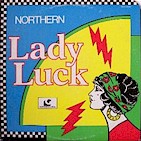
In most cases albums were released without the artist's knowledge or cooperation. As an example, out of idle curiosity I tracked down Bill Jerome who with his brother Steve was listed as tone of the songwriter on a Guinness released LP credited to the group Northern entitled "Lady Luck". Mr. Jerome was unaware the album existed and asked for more information on the album.
There are also cases where artists/bands were either aware their work was being released, or willingly participated in 'tax scam' releases. Good examples can be found in the band Jasper Wrath who recorded a sought after album for the Sunflower label and then seem to have released a pair of albums for Dellwood under the pseudonyms Arden House and Zoldar and Clark.
Another collaborative example is found in singer Sonny Bottari
w
Tax scam labels seem to have had little
concern for the type of material being released. Blues, spoken word children's
stories, country, disco, jazz, pop, progressive and rock were all
shoveled out their corporate d
I'm not a tax lawyer so I can't say I have a thorough understanding of the legalities behind the concept, but in broad brushstrokes the scheme seems to have been built on establishing a new subsidiary label and then claiming high recording expenses (for product that was obtain for little, if any investment), and a significant loss based on poor sales. What appeared to make the scheme financially plausible was that the labels invested next to nothing in the music and then lied about their investment in order to get a tax credit off of those overstated losses. Normally tax scam albums were pressed in limited quantities; most of labeled as demos, or promotional copies. No attempt was made to actually sell the album with copies being marked as cutouts (you'll seldom find a copy without a clipped corner, or punch out hole) and then dumped with a wholesaling middleman, or simply destroyed outright. The parent label would then claim a much larger pressing run (perhaps 10,000 copies of more) with minimal sales. The result 'losses' would be used to bolster the parent operation. Since the companies released existing material spending next to nothing actually recording new material, invested little on packaging, seldom paid artist royalties, spent nothing on promotion, and pressed relatively few copies of the LPs (many tax scam releases are quite rare and are now sought after collectables), the overall cost-benefit ratio stood to be significant. Those losses could then be applied to offset legitimate profits being made by the mainstream labels under the same corporate umbrella - as an example Tiger Lily losses could be used against profits parent Roulette Records was making. That's the theory ... Nobody with any first hand experience in the business has every been willing to go on record to explain the process. Yes, there are also some folks who feel this is nothing more than an urban myth. The best description of the process I've ever come across actually came from one of the musicians who got sucked into the tax scam arena. "If I remember right, [the producer] was hooked up with some Beverly Hills accountant that was doing the write-off records. I think the investors were putting up around $15,000 per album. They [the producers] spent about $5,000 to produce [an album] and kept the balance. I think I heard the that the investors got a $250,000 write off as if they spent that much to promote and produce the album. And as you said on your website, during that time period there were a lot of tax scam releases happening. I was told that even major labels signed people who they never intended to succeed just for the write off." By any stretch of the imagination that type of return on your money is simply staggering !!! As you'd expect, the musical genres and quality of tax scam releases was all over the place. Tax scam labels seemed willing to release virtually anything and everything. Guinness is a good example with a catalog that included country (Billy Rufus), funk (Newban which was a precursor to the soul band Atlantic Starr), hard rock (The Rockets), jazz (Jasmine), progressive (Red Sky), and conventional pop (Northern). With well over 100 known releases I obviously haven't heard the whole catalog, but the ones that I have heard have been surprisingly impressive. Ironically that 'rarity' factor has once again caught the attention of the business side of the house and in recent years some of the rarer tax scam albums have been subject to reissues - both legitimate and bootleg projects.
Another trail of companies and subsidiaries - Album Globe and Album World were divisions of International Record Distributing Association which had manufacturing and distribution taking place in Hendersonville, Tennessee. You can only guess as to the logic for doing it, but each Album World release was credited to a different label (e.g. Blake Records, Mark Holly Records, Trapp Records, Van Dyke Records, etc.). The one thing the releases share is catalog numbers beginning with an 'AW' prefix. Not unique to the tax scam genre, but at least some of the Album World releases sound like multiple artists packaged under a fictional name. It's extremely difficult to track down any of these albums leading to the conclusions that few were pressed, or most of the stock was destroyed.
Album Globe
was unique in a couple of ways. There are only eleven documented
Album Globe releases,
Link To Album Globe discography Link to Album World discography
Last updated: June 30, 2026
Another
label where there's precious little information to go on. Don't confuse it
with the New York-based Baby Grande hip-hop label - note the extra
'e'. As you'd expect, there's a complicated financial trail behind
the Baby Grand label. Baby Grand
was apparently founded by a Georgia businessman. The label fell
under the umbrella of the Atlanta, Georgia based Bowman Recording &
Production Company. Latching on to the tax scam concept, Bowman
established two record labels; Baby Grand and Pelican, setting up a branch
office in Hollywood, California. Speculation on my part, but it makes
sense you
Link to Baby Grand discography
Last updated: June 30, 2026
I'm a little
reluctant to
include the B.T. Puppy label (the initials stood for The Token's
publishing company - Bright Tunes) since there were some significant
differences from the operating norms of the other tax
Link to B.T. Puppy discography
Last updated: June 30, 2026
C.C. Records
So this tax scam label is a complete mystery to me. The Discogs website says they were based in Curaçao, Netherlands Antilles. That kind of makes sense if you were a tax scam outfit looking to avoid scrutiny from the Internal Revenue Service. As far as I can tell the label only released about two dozen albums. Their catalog is a mess, seemingly without any consistent use of catalog numbers and it is poorly documented.
I've owed a couple of albums in this catalog and have to tell you they weren't particularly enjoyable. In fact, they're among the worst tax scan releases I've ever heard. They're also extremely short. One of the best known releases on the label (using the term loosely), Frigate's "Dreams of the Deep" clocks in at twenty-seven minutes.They're certainly rare, but I can't imagine who would want to pay $1,000 or more for one of them. Perhaps it has something to do with the lo-tech cover art? Beats me.
Link to C.C. Records discography
Last updated: June 30, 2026
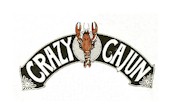
Crazy Cajun (Huey Meaux)
Anything with the late Huey Meaux's fingerprints on it has to be interesting. This is a future research project ...
The New York City-based
Dellwood seems to have started out as a legitimate ent
Last
updated: JUNE 30, 2026
If you've ever run across a
tax scam release, there's a good chance it was a Guinness release since
this is t
Last updated: JUNE 30, 2026
Last updated: JULY 15, 2026
Koala
Koala was another offshoot of the Album Globe/Album World family, but seems to have hung on to the tax scam concept well beyond most of the others, apparently releasing material as late as 1981. The label had a large catalog of releases (roughly 120 by my count), but the vast majority of offerings were country, or MOR oriented with little interest to rock and soul collectors. It's so large that I haven't bothered to track down information on the majority of these releases. The exceptions I've made are for those LPs that have some rock or soul orientation. The few Koala releases I've heard seem to rely heavily on archival material, some of it having precious little to do with the namesakes, and little released by the label seems to have much collector value with the vast majority of releases selling for under $50. Potential exceptions include a live Gordon Lightfoot LP "Yellow Bird", a self titled soul effort by the band Main Street, and an instrumental collection of James Brown covers by the John Wager Coalition. The accompanying artwork tends to scrape the bottom of the barrel with many of the albums reflecting artwork that looks like it was commissioned by a high school art class (Gladys Knight and the Pips), or generic photos that look like they were swiped from 1950s era postcards (Jeff Beck and the Yardbirds, Ike and Tina Turner ).
Last updated: JUNE 30, 2026
Still doing some research on
this one, but what I've found,
including the start of a label discography is out
Link to Magna Glide discography
Last updated: JUNE 30, 2026
Formed
in Kings Park, New York by Robert John Gallo (aka
Bob Gallo), Louis Lofredo
and Vince Traina, Mandala is somewhat unique among tax scam labels in
that its heyday seems to have been
Link to Magna Glide discography
Last updated: JUNE 30, 2026
Unfortunately this is another one that I know virtually nothing about. There's a New Jersey based Rocking Horse label that focused on albums oriented to young children. In fact a large portion of their catalog consisted of cartoon and fairy tales set to music - "The Rocking Horse Players And Orchestra – Popeye The Sailor Man", "Tina the Ballerina" and "Peter and the Wolf".
Someone out there will know where these were two separate and unrelated entities.. Reach out to me.
Link to Rocking Horse discography
Last updated: JULY 15, 2026
I've added quite a bit of biographic information to the discography page
Link to Tiger Lily discography
Last updated: JUNE 30, 2026
Tomorrow seems to have been
directly tied into the Guinness label. Based in New York City the
label apparent
"I didn't know [my work had been used] until someone sent me a few copies. Never even knew they used it. A friend of mine once asked me for some transparencies. I gave them to him, at the time probably feeling that they had no value. Forgot all about it until a gentleman sent me a copy of one of the LPs . Don't even know how he knew where to contact me. Just have worked almost every day, sometimes 12 hours at a stretch . No one ever promoted my art and I was too ill to do it. Soooooo--- I get oodles of compliments, which do not pay my rent. But, then you are well aware of this in your own life."
By the way, Ms. Eisenberg's work is fascinating. I'm sure she won't mind it if I provide a link to her website:
Good luck finding copies of Tomorrow releases. They've become increasingly hard to find.
Last updated: JUNE 30, 2026
I don't know a great deal about
Tribute. It was based in New York and only seems to ha
Last updated: JUNE 30, 2026
TSG was set up as
a subsidiary of the legitimate LPG (Lloyd Price Group) label. Like
most tax scam labels TSG only seems to have been in existence during the
1976 - 1978 timeframe. The company's The TSG business plan seems to have followed the standard tax loss approach with an album by the Brooklyn-based trio Spice (originally known as The Spice of Life) serving as a textbook example of how the process worked. Led by Richard Brown, the group was signed by Don King Productions who got them signed to Lloyd Pride Records. Without bothering to inform the group, LPG subsequently released an album of Spice material on the TSG label (1976's "Let There Be Spice"). There's an online chat board where Brown seemed surprised to discover his material had seen the light of day - in fact he was wondering where he could score a copy of the LP.
Last updated: JUNE 30, 2026
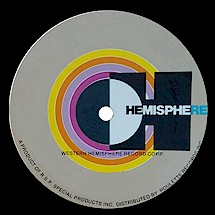
Morris Levy was apparently the driving force behind a Tiger Lily precursor label - the short-lived Western Hemisphere Records. Western Hemisphere seems to have been active in 1976, but only appears to have released three LPs - all hard to find and expensive. One of the acts (No Dice) subsequently reappeared on the Guinnesss label as The Steve Drake Band (the late Steve Kaczorowski) leading you to wonder if Guinness and Dellwood were part of the Morris Levy/Roulette umbrella.
Link to Western Hemisphere discography
Last updated: JUNE 30, 2026
|
BACK TO BADCAT PAYMENT INFORMATION
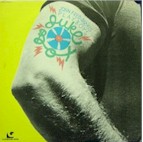 into the tax scam
album world came courtesy of John Fred and His Playboy Band (the outfit
that was responsible for the hit "Judy In Disguise"). Over
the years I thought I had acquired the entire John Fred album catalog and then
one day at a Northern Virginia yard sale I stumbled across a John Fred LP
that I had never seen. The album was entitled "Juke Box" and had
been released by the Guinness Records label. I'd never even heard of
the label (of course there are thousands of obscure records labels I've
never run across), but when I started to look into Guinness I stumbled
across the 'tax scam' label concept. I did a little bit of checking
but couldn't dig out a great deal of information and my interest kind of faded, but
was renewed a couple of years ago when the topic came up on a chat board
that I'm a member of (shout of to the folks at Psychedelica). It turned out there were a couple of
group members who knew quite a bit about the subject (thanks in particular
to Michael Ascherman - psych
accountant).
into the tax scam
album world came courtesy of John Fred and His Playboy Band (the outfit
that was responsible for the hit "Judy In Disguise"). Over
the years I thought I had acquired the entire John Fred album catalog and then
one day at a Northern Virginia yard sale I stumbled across a John Fred LP
that I had never seen. The album was entitled "Juke Box" and had
been released by the Guinness Records label. I'd never even heard of
the label (of course there are thousands of obscure records labels I've
never run across), but when I started to look into Guinness I stumbled
across the 'tax scam' label concept. I did a little bit of checking
but couldn't dig out a great deal of information and my interest kind of faded, but
was renewed a couple of years ago when the topic came up on a chat board
that I'm a member of (shout of to the folks at Psychedelica). It turned out there were a couple of
group members who knew quite a bit about the subject (thanks in particular
to Michael Ascherman - psych
accountant).
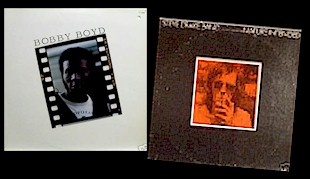 entation. Inexplicably, the number
of pressings varies wildly from company to company and even album to
album. At the rare end of the spectrum you'll find releases like "Bobby
Boyd" and "Steve Drake Band"
(both on Tiger Lily) which routinely sell for well over $1,000. Very few original
copies seem to exist leading one to wonder if the original pressing runs
were purposely small, or the stocks were simply destroyed. That also makes original
copies highly collectable and expensive. In fact, with original "Stonewall" copies selling for several thousand dollars, the
album has seen both bootleg and official releases. At the other end of the
spectrum, Tiger Lily seems to have pressed thousands of copies of Richard
Pryor's "L.A. Jail" making it easy to find and affordable (if
not very funny).
entation. Inexplicably, the number
of pressings varies wildly from company to company and even album to
album. At the rare end of the spectrum you'll find releases like "Bobby
Boyd" and "Steve Drake Band"
(both on Tiger Lily) which routinely sell for well over $1,000. Very few original
copies seem to exist leading one to wonder if the original pressing runs
were purposely small, or the stocks were simply destroyed. That also makes original
copies highly collectable and expensive. In fact, with original "Stonewall" copies selling for several thousand dollars, the
album has seen both bootleg and official releases. At the other end of the
spectrum, Tiger Lily seems to have pressed thousands of copies of Richard
Pryor's "L.A. Jail" making it easy to find and affordable (if
not very funny). 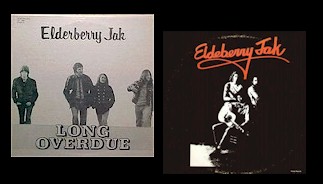 entities, swamping with other labels, or just
stealing material from outside sources. Recording material seems to have included demo
tapes (in some cases the demos were apparently released without bothering
to inform the owners), tapes from recording projects that had been
shelved, repackaging previously released material (numerous albums
originally released by the Family imprint were subsequently reissued by
Tiger Lily). In some cases material seems to have simply been 'stolen'.
Originally released on the Electric Fox label, Elderberry Jak's "Long Overdue" album
reappeared on the Album World Forrest subsidiary erroneously credited
to Eldberry Jak (note the missing 'r') with a new title ("Eldeberry
Jak")
and new cover art.
entities, swamping with other labels, or just
stealing material from outside sources. Recording material seems to have included demo
tapes (in some cases the demos were apparently released without bothering
to inform the owners), tapes from recording projects that had been
shelved, repackaging previously released material (numerous albums
originally released by the Family imprint were subsequently reissued by
Tiger Lily). In some cases material seems to have simply been 'stolen'.
Originally released on the Electric Fox label, Elderberry Jak's "Long Overdue" album
reappeared on the Album World Forrest subsidiary erroneously credited
to Eldberry Jak (note the missing 'r') with a new title ("Eldeberry
Jak")
and new cover art. 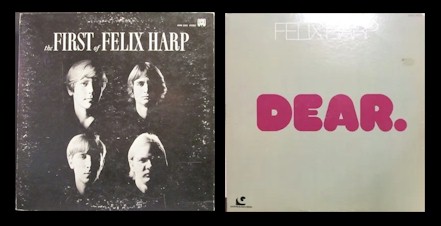

 ho
recorded an album
with the
band Aesop's Fable for Chess Records Cadet Concept subsidiary. A second Aesops Fables LP entitled "Pickin'
Up the Pieces" was released in Canada and Australia by Mandala
Records. As a
solo act Bottari released a pair of albums for Guinness ("Never Look Back" and
a sophomore set (major surprise here) entitled "Pickin' Up the
Pieces"). It seems hard to believe any of these artists were paid more than a
pittance for their work, but perhaps they somehow benefited in terms of
free studio time, personal tax benefits, or some other form of
compensation. I'd love to know what the deal was ...
ho
recorded an album
with the
band Aesop's Fable for Chess Records Cadet Concept subsidiary. A second Aesops Fables LP entitled "Pickin'
Up the Pieces" was released in Canada and Australia by Mandala
Records. As a
solo act Bottari released a pair of albums for Guinness ("Never Look Back" and
a sophomore set (major surprise here) entitled "Pickin' Up the
Pieces"). It seems hard to believe any of these artists were paid more than a
pittance for their work, but perhaps they somehow benefited in terms of
free studio time, personal tax benefits, or some other form of
compensation. I'd love to know what the deal was ... oors. The labels certainly put little energy
or money into packaging. Album covers tended to be fairly generic, though
in some cases that actually made for some fascinating artwork - check out
the Andy Warhol-ish "Hotgun"
or the cartoonish covers decorating Yvonne Hodge's "You
Never Wanted Me", or Mike Martin's "Thick
Tongue Fool". (For what it may be worth, as far
as I know, my small site has the most complete collection of 'tax
scam' cover art.) If you have some that I'm missing and are willing
to share, I'll be more than happy to credit you for the
contributions. Similarly, if an album carried any production, engineering, writing and
performance credits, or liner notes they were usually minimal, or just
plain false.
oors. The labels certainly put little energy
or money into packaging. Album covers tended to be fairly generic, though
in some cases that actually made for some fascinating artwork - check out
the Andy Warhol-ish "Hotgun"
or the cartoonish covers decorating Yvonne Hodge's "You
Never Wanted Me", or Mike Martin's "Thick
Tongue Fool". (For what it may be worth, as far
as I know, my small site has the most complete collection of 'tax
scam' cover art.) If you have some that I'm missing and are willing
to share, I'll be more than happy to credit you for the
contributions. Similarly, if an album carried any production, engineering, writing and
performance credits, or liner notes they were usually minimal, or just
plain false.  but they seem to have been issued a couple of years after
the initial tax loss heyday - 1980 versus the 1977-1978 timeframe. Album Globe was also
notable for being the daring tax scam label in terms of their willingness to
target big name acts. If you look at most of the other tax scam labels, the acts
involved tend to be unknown entities. Album Globe didn't bother fooling around
with unknowns, rather went for name acts such as The Beatles, The Doobie
Brothers, Kansas and Led Zeppelin. I've always wondered how they avoided the wrath
of the major labels these groups were signed to ... Here are links
to the Album World and Album Globe discographies:
but they seem to have been issued a couple of years after
the initial tax loss heyday - 1980 versus the 1977-1978 timeframe. Album Globe was also
notable for being the daring tax scam label in terms of their willingness to
target big name acts. If you look at most of the other tax scam labels, the acts
involved tend to be unknown entities. Album Globe didn't bother fooling around
with unknowns, rather went for name acts such as The Beatles, The Doobie
Brothers, Kansas and Led Zeppelin. I've always wondered how they avoided the wrath
of the major labels these groups were signed to ... Here are links
to the Album World and Album Globe discographies: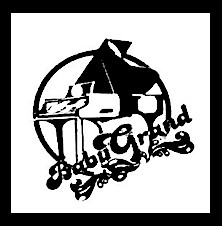 would want to have a presence near the epicenter of the
recording industry. Composer, keyboardist, arranger and future
A&M and Geffen Records President Ron Fair apparently ran Baby Grand
and Pelican. He also released a couple of albums on the
labels. As far as Baby Grand material goes, the majority of the 100+
or so label releases came out in the 1977-78 timeframe. I've
documented 94 releases, but there are almost certainly more out
there. Admittedly the labels' discography is a confusing mess with
gaps and multiple album covers for the same LP. Most seems to have
been original music somehow obtained from obscure artists such as Shelby
Conti, Steve Deutsch, the late Joe Romano and Owen Thomas. The label
seems to have had at least some ties to the Tiger Lily imprint.
Again speculation on my part, but I'd point out that the two labels
released material by some of the same artists, including Clydie King and
C.M. Lord. Musically many of the albums can be branded adult
contemporary jazz, but there's a wide array of stuff including country,
classical, pop and jazz-rock. On a related note, the label sports
some of the dullest album art known to mankind - much of it black and
white (which was probably cheaper to print than color images). That's not
to say there isn't a market for these albums. As you'd expect, they're
fairly rare and not exactly given away. IAt least to my ears, none was
particularly entertaining, though today several Baby Grand releases are
sought after, big ticket releases - "Black Rain" and "Terea"
come to mind. You'll find more information and my discography
at:
would want to have a presence near the epicenter of the
recording industry. Composer, keyboardist, arranger and future
A&M and Geffen Records President Ron Fair apparently ran Baby Grand
and Pelican. He also released a couple of albums on the
labels. As far as Baby Grand material goes, the majority of the 100+
or so label releases came out in the 1977-78 timeframe. I've
documented 94 releases, but there are almost certainly more out
there. Admittedly the labels' discography is a confusing mess with
gaps and multiple album covers for the same LP. Most seems to have
been original music somehow obtained from obscure artists such as Shelby
Conti, Steve Deutsch, the late Joe Romano and Owen Thomas. The label
seems to have had at least some ties to the Tiger Lily imprint.
Again speculation on my part, but I'd point out that the two labels
released material by some of the same artists, including Clydie King and
C.M. Lord. Musically many of the albums can be branded adult
contemporary jazz, but there's a wide array of stuff including country,
classical, pop and jazz-rock. On a related note, the label sports
some of the dullest album art known to mankind - much of it black and
white (which was probably cheaper to print than color images). That's not
to say there isn't a market for these albums. As you'd expect, they're
fairly rare and not exactly given away. IAt least to my ears, none was
particularly entertaining, though today several Baby Grand releases are
sought after, big ticket releases - "Black Rain" and "Terea"
come to mind. You'll find more information and my discography
at:  scam
labels listed
here. For one thing, the company was active nearly a decade before these
other outfits. B.T. Puppy also differed from the other labels in that it
started out as a legitimate enterprise enjoying several major sellers with
LP and 45s by artists such as The Happenings, The Tokens, and others. While
it's hard to identify a specific date when the label moved from legitimacy
to tax scam front, B.T. Puppy releases start to become eclectic and highly
scarce with the release of 1969's "Life Is Groovy" by the United
States Double Quintet.
scam
labels listed
here. For one thing, the company was active nearly a decade before these
other outfits. B.T. Puppy also differed from the other labels in that it
started out as a legitimate enterprise enjoying several major sellers with
LP and 45s by artists such as The Happenings, The Tokens, and others. While
it's hard to identify a specific date when the label moved from legitimacy
to tax scam front, B.T. Puppy releases start to become eclectic and highly
scarce with the release of 1969's "Life Is Groovy" by the United
States Double Quintet.
 erprise
releasing a
string of mid-1960s 45s. By 1977 when it was reactivated, it served as an offshoot of the
Guinness label,
essentially following the former's tax loss business plan. Unlike
Guinness, Dellwood only released 13 albums, six (if they were actually
pressed) which remained
undocumented. The Dellwood catalog is also highly diverse covering
everything from jazz (George Butler), middle of the road crooners (Frank Pisani), to
progressive moves (Zoldar & Clark). There's even a disco album (Disco
Kids).
erprise
releasing a
string of mid-1960s 45s. By 1977 when it was reactivated, it served as an offshoot of the
Guinness label,
essentially following the former's tax loss business plan. Unlike
Guinness, Dellwood only released 13 albums, six (if they were actually
pressed) which remained
undocumented. The Dellwood catalog is also highly diverse covering
everything from jazz (George Butler), middle of the road crooners (Frank Pisani), to
progressive moves (Zoldar & Clark). There's even a disco album (Disco
Kids). he label that seems to have released the largest overall catalog
of material, though there are some major gaps in the
catalog. The other thing that's funny about the enterprise is the near total absence
of descriptive material on most Guinness releases. I've looked and looked
and with a handful of exceptions, you simply can't find reviews, or
biographical information for Guinness releases. Good luck finding something on Mick
Martin's "Thick Tongue Fool",
Ron Sparks'
"Make Her Remember",
let alone one of the rarer releases such as Upset's "Midsummer
Night".
As you'd expect, the caliber of material is all over the musical spectrum,
with much of it pretty awful . There are a couple of first rate
releases (Lift's "Caverns of Your Brain"), but be
careful before spending big bucks on most Guinness releases.
he label that seems to have released the largest overall catalog
of material, though there are some major gaps in the
catalog. The other thing that's funny about the enterprise is the near total absence
of descriptive material on most Guinness releases. I've looked and looked
and with a handful of exceptions, you simply can't find reviews, or
biographical information for Guinness releases. Good luck finding something on Mick
Martin's "Thick Tongue Fool",
Ron Sparks'
"Make Her Remember",
let alone one of the rarer releases such as Upset's "Midsummer
Night".
As you'd expect, the caliber of material is all over the musical spectrum,
with much of it pretty awful . There are a couple of first rate
releases (Lift's "Caverns of Your Brain"), but be
careful before spending big bucks on most Guinness releases. Illusion was the brainchild of
former Blues Image/Iron Butterfly guitarist Mike Pinera. Unlike most
tax loss labels that were based in New York City, Illusion was based in
Florida and released about two dozen albums over the 1977 - 1978
timeframe. Several of the releases remain undocumented.
Most of the Illusion catalog consisted of mediocre hard rock by
Florida-based outfits like Charmer and Sage. Pinera also used the
label to release a series of late-inning Blue Image LPs, including
"Something To Say", "Leavin' My Troubles Behind",
"Clean Loving", "Can't You Believe In Forever" and a
reissue of "Ride Captain Ride".
Illusion was the brainchild of
former Blues Image/Iron Butterfly guitarist Mike Pinera. Unlike most
tax loss labels that were based in New York City, Illusion was based in
Florida and released about two dozen albums over the 1977 - 1978
timeframe. Several of the releases remain undocumented.
Most of the Illusion catalog consisted of mediocre hard rock by
Florida-based outfits like Charmer and Sage. Pinera also used the
label to release a series of late-inning Blue Image LPs, including
"Something To Say", "Leavin' My Troubles Behind",
"Clean Loving", "Can't You Believe In Forever" and a
reissue of "Ride Captain Ride". there. The label was apparently originally based in the UK,
perhaps with Strawberry Studios, and
judging by the release number format, seems of have had a
distribution agreement with London Records The label somehow
hooked up with American bubblegum writers/producers Jerry Kasenetz
and Jeff Katz who by the mid-'70s had moved on to more rock oriented
acts like Ram Jam. Interestingly quite a few of the acts
appear to have been based in Ohio (including the Columbus-based
Canyon).
there. The label was apparently originally based in the UK,
perhaps with Strawberry Studios, and
judging by the release number format, seems of have had a
distribution agreement with London Records The label somehow
hooked up with American bubblegum writers/producers Jerry Kasenetz
and Jeff Katz who by the mid-'70s had moved on to more rock oriented
acts like Ram Jam. Interestingly quite a few of the acts
appear to have been based in Ohio (including the Columbus-based
Canyon). 1972. Another difference is that
at last some of its catalog was only
released overseas - primarily in
Australia and Canada. It's also one
of the tax scam labels that hasn't been well documented. Adding to
the confusion, the label seems to have had several ties to the Guinness
label. As an example, under the name 'Robert John', Gallo
recorded/released a pair of albums for Guinness. The two labels also
share an album by the soul great Ben E. King and a common bond in the form of the band Sum Pair which released
material for both labels.
1972. Another difference is that
at last some of its catalog was only
released overseas - primarily in
Australia and Canada. It's also one
of the tax scam labels that hasn't been well documented. Adding to
the confusion, the label seems to have had several ties to the Guinness
label. As an example, under the name 'Robert John', Gallo
recorded/released a pair of albums for Guinness. The two labels also
share an album by the soul great Ben E. King and a common bond in the form of the band Sum Pair which released
material for both labels. I'm
now included to believe this 1970s Rocking Horse was a separate
label. If you go by the release
numbers, this outfit issued about 50 LPs, but the discography is full of
gaps. In fact I've only been able to track down twenty-three of the
releases and most of the corresponding album covers. Can't say I've
found out much about the artists.
I'm
now included to believe this 1970s Rocking Horse was a separate
label. If you go by the release
numbers, this outfit issued about 50 LPs, but the discography is full of
gaps. In fact I've only been able to track down twenty-three of the
releases and most of the corresponding album covers. Can't say I've
found out much about the artists.  So here's the
most infamous of tax scam labels. Morris Levy's Tiger Lily
imprint is a crime novel
(and movie)
just waiting to be filmed and it happens to have some of the most
interesting releases.
So here's the
most infamous of tax scam labels. Morris Levy's Tiger Lily
imprint is a crime novel
(and movie)
just waiting to be filmed and it happens to have some of the most
interesting releases. ly only released ten albums, though all are extremely rare and
most are quite expensive. Like other tax loss outfits
Tomorrow's product was all over the musical spectrum, including pop (Joey
Dee), rock (Goliath), and soul (The Exciters). Not only was the
music suspect, but it turns out that much of the artwork was also
purloined from New York-based artist Sonja Eisenberg. I
actually tracked Ms. Eisenberg down and
she was kind enough to tell me about her role with Tomorrow:
ly only released ten albums, though all are extremely rare and
most are quite expensive. Like other tax loss outfits
Tomorrow's product was all over the musical spectrum, including pop (Joey
Dee), rock (Goliath), and soul (The Exciters). Not only was the
music suspect, but it turns out that much of the artwork was also
purloined from New York-based artist Sonja Eisenberg. I
actually tracked Ms. Eisenberg down and
she was kind enough to tell me about her role with Tomorrow: 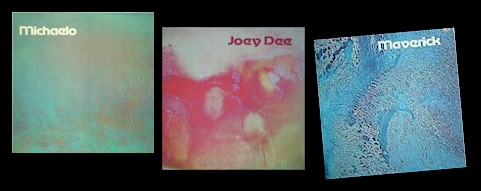
 ve released
five albums - one by Billy Michaels (Billy Lee Michaels?) one by former
Tea Company front man Frankie Carr (which sounds like it
was cobbled together from earlier material and various musical odds and
ends), one by Teddy Strom, and potentially two undocumented efforts.
ve released
five albums - one by Billy Michaels (Billy Lee Michaels?) one by former
Tea Company front man Frankie Carr (which sounds like it
was cobbled together from earlier material and various musical odds and
ends), one by Teddy Strom, and potentially two undocumented efforts.  catalog was quite small -
15 LP releases (though 5 of those releases are unknown) and a couple of
45s. At least one of the albums (Price's own "Music
- Music" had previously been released by LPG.
The musical focus seems to have been on soul and dance releases, but the
catalog included a couple of country releases by Conway Twitty and Billy
Joe Shears. I'd be willing to bet both artists would be surprised to
learn about these albums. Very few copies of any of these LPs were pressed, making
them highly collectable and expensive, routinely selling for over $1,200
(see the attached link for more information).
catalog was quite small -
15 LP releases (though 5 of those releases are unknown) and a couple of
45s. At least one of the albums (Price's own "Music
- Music" had previously been released by LPG.
The musical focus seems to have been on soul and dance releases, but the
catalog included a couple of country releases by Conway Twitty and Billy
Joe Shears. I'd be willing to bet both artists would be surprised to
learn about these albums. Very few copies of any of these LPs were pressed, making
them highly collectable and expensive, routinely selling for over $1,200
(see the attached link for more information).